
New Kent County's Most Wanted Program
The New Kent County Sheriff posts no most-wanted page, warrant roster, or subject photos on its site. Warrant tracking sits inside the Courts and Civil Process function. So there is no county roster to browse; the agency itself is the source to ask. A regional program's spotlight on one crime is not a New Kent County court record either. For official agency details, the New Kent Sheriff's Office page is the local starting point, and it links to the offices that handle process questions.
Why New Kent County Has No Public Warrant Roster
New Kent County publishes no active-warrant search and no downloadable list. The courts offer case and schedule links, and the Sheriff's unit tracks process, but neither gives the public a countywide warrant roster. A blank name search will not fill that gap. Neither will a jail result or a crime spotlight. For a self-check, use Virginia's official case portal, then ask the issuing court, the magistrate, or the New Kent County Sheriff about its confirmation route.
How the Most Wanted Lists Work
A most-wanted feature is curated public-safety outreach, not the court's full docket of process. Some agency or partner program picks the names and decides when to refresh them. New Kent County has no county roster, so it states no selection rule or update schedule. A dated regional post may only be asking for tips. Only the issuing court or the law-enforcement agency can confirm whether a warrant is still active.
New Kent County's Crime Stoppers Route for Warrant Tips
Metro Richmond Crime Stoppers counts New Kent County among the localities it serves. Anonymous tips run through three channels: the P3 Tips app, a P3 web form, and the phone line (804) 780-1000. The program FAQ says calls are not recorded and caller ID is not used. Tipsters get a code for follow-up, though the code and check line, (804) 501-5936, is not anonymous. These channels take crime information; they cannot search or clear a court case. Visit the regional Crime Stoppers site for its current directions and service area.
Reporting a Tip Safely
Have information about a crime? Use the official tip form or phone route. Share only what you know firsthand, and follow the program's instructions. Never detain, follow, confront, or warn someone named in a post. For an emergency, call 911. For a records or process question in New Kent County, call the court or the Sheriff's main line, (804) 966-9500.
Keep roles separate: Crime Stoppers receives tips. It does not confirm warrant status, grant anonymity for every follow-up method, or arrange a surrender.
New Kent County Tip Reports Are Not Warrant Searches
Regional Crime Stoppers coverage does not make the tip line a warrant database. If a post raises a question about your own New Kent County case, use Virginia's official case-information system and call the court named in the record. Adult misdemeanor and traffic cases belong to General District Court. Felony files go to the Circuit Clerk. A new process or bail question may need District 9 Magistrate Services.
Most Wanted Lists vs Active Warrants
A wanted feature highlights a chosen few. An active warrant is legal process, and its current status must come from the issuing court or agency. New Kent County publishes no complete list of either kind. Use the correct record path rather than treating a curated post as a full inventory of outstanding warrants.
| Public item | What it can do | What it cannot confirm |
|---|---|---|
| Regional tip page | Share agency-approved requests for information | Every open New Kent warrant |
| Virginia case portal | Show participating public court case details | Sealed, juvenile, or unindexed process |
| Pamunkey custody search | Show a current jail listing | Unserved warrant status |
New Kent County Rewards Do Not Confirm a Warrant
The Crime Stoppers FAQ says qualifying felony information that leads to an arrest may support a reward recommendation of up to $5,000, subject to board approval and program rules. No reward is guaranteed, and the program decides eligibility and payment. The tipster code and check process sits apart from the anonymous phone or P3 intake. A reward notice never proves a particular New Kent County court process is still active. Read the official Crime Stoppers FAQ for current terms instead of a copied summary.
If You Think You Are on a List
Do not contact a tipster or approach anyone named in a post. If a report may concern you, call a Virginia attorney and ask the issuing court which record or hearing applies. For service questions in New Kent County, ask the Sheriff's Office for Courts and Civil Process routing. The court can explain a docket or recall procedure; the Sheriff explains service and tracking. Neither a third-party post nor a crime-tip reply is a legal confirmation.
For your own case: Confirm the court, process label, and next step with counsel or the official office before acting on a post.
Federal Warrants Are Separate From New Kent County Lists
Federal cases for New Kent County run through the Eastern District of Virginia, Richmond Division, and federal agencies. That docket is separate from any county most-wanted page. It may carry its own public-access limits too. The federal PACER fee page explains what docket access costs, but it is not a roster of people sought by law enforcement. See the official PACER pricing page for the current fee rules.
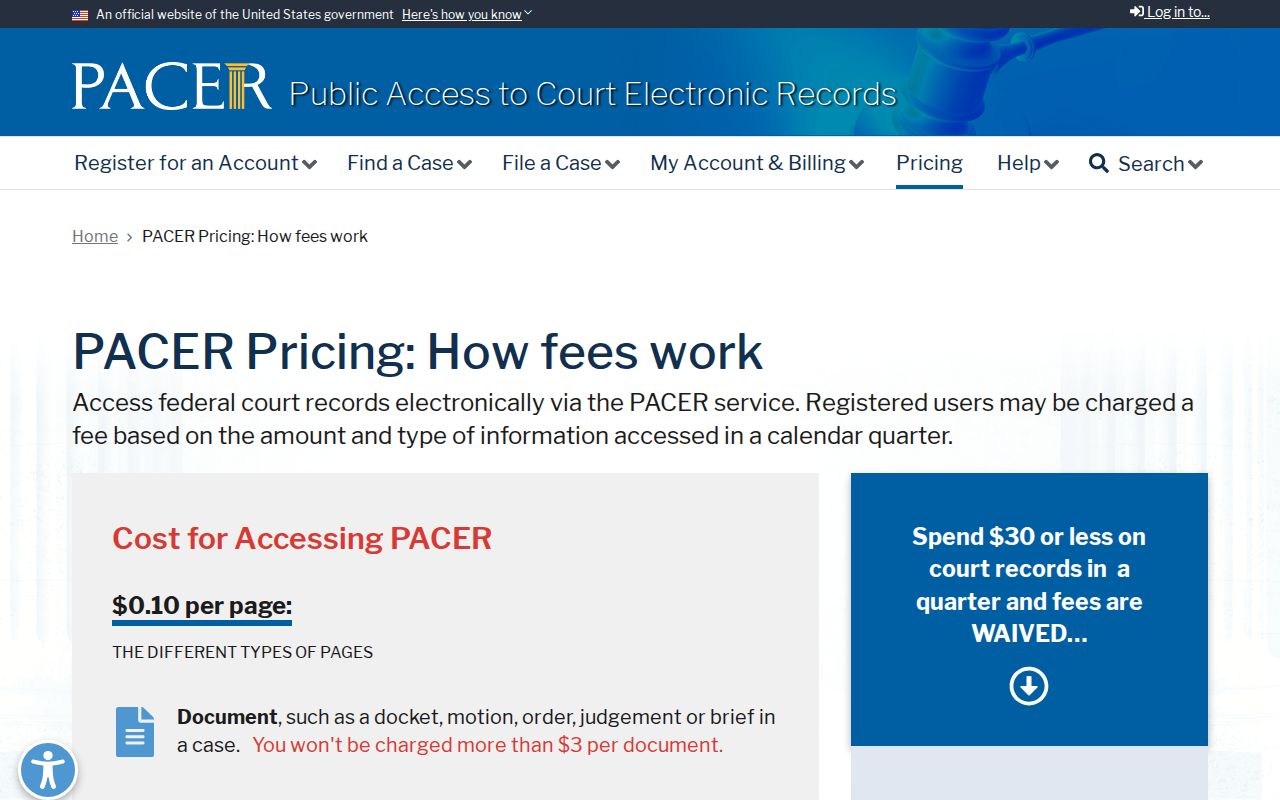
Federal warrants never appear on a New Kent County list. They run through federal courts and agencies instead. The Eastern District of Virginia homepage opens the court's divisions and its public services.
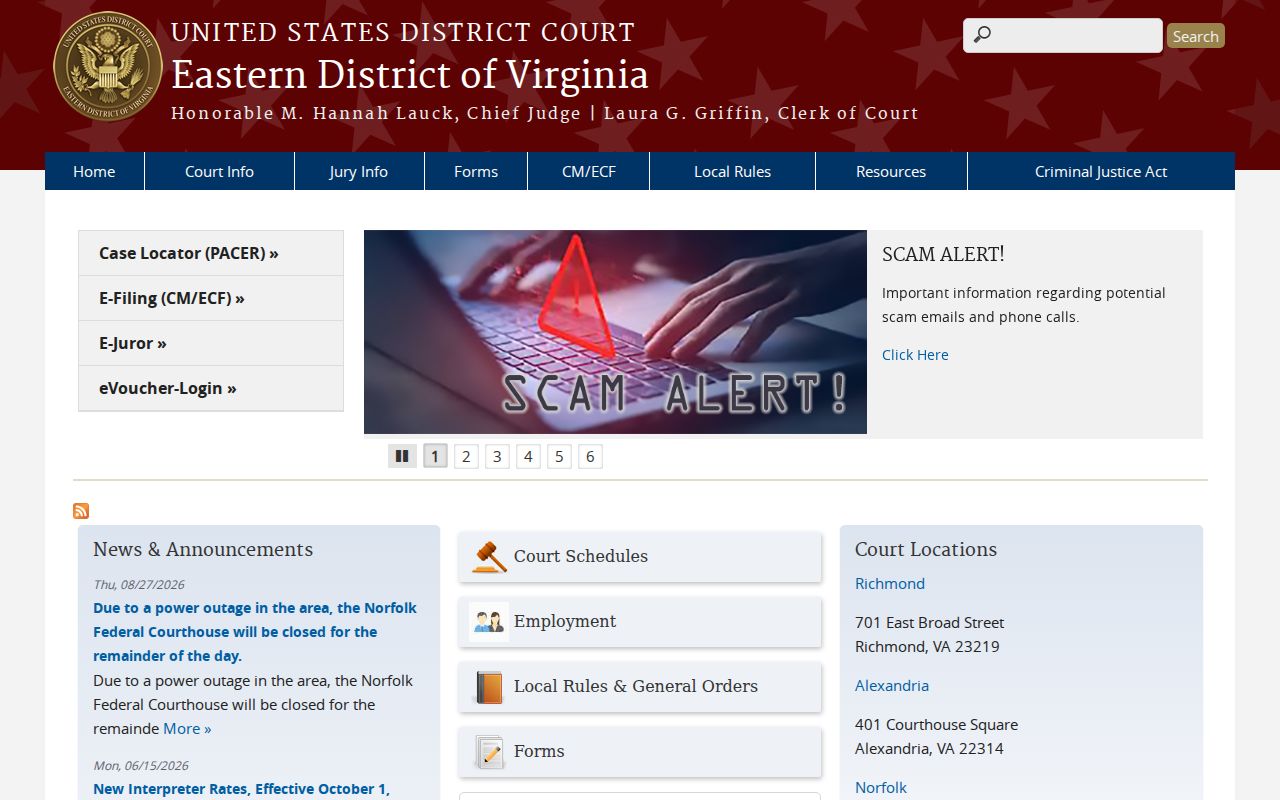
That federal page covers its own court records only, so a New Kent County most-wanted search there will come up empty.
New Kent County Safe Source Rule for Warrant Information
Stick with current county, court, and regional program pages for what each one actually offers. New Kent County publishes no official wanted roster or roundup. That gap protects privacy and keeps an old or misidentified post from passing as a court record. For live warrant status, the New Kent County outstanding-warrant guidance lays out how to confirm details with the court, the Sheriff, and the magistrate, plus public case and custody routes.